


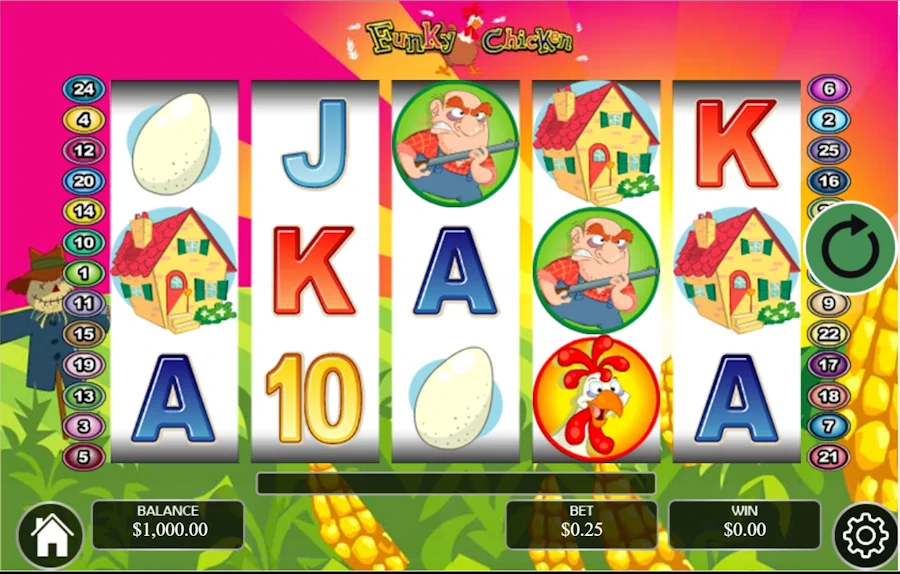
For loved ones in the UK, handling a loved one’s hospital stay is a difficulty that blends logistical planning with emotional support. In this context, a basic mobile game called chicken plus live poker has taken on a role, offering patients a nice distraction and a slice of everyday life. Getting to grips with the visiting hours established by NHS and private hospitals is the initial step for any visitor. This article explores how old-fashioned visiting and modern digital support, through apps like Chicken Plus, can function together. We’ll address how families can integrate both approaches to boost a patient’s spirits, manage their own time productively, and still respect the key rules hospitals have in place.
Learning about Standard UK Hospital Visiting Policies
If you are arranging a hospital visit in the UK, your starting point should be the particular rules of that hospital. NHS Trusts and private providers determine their rules, so you’ll find differences from place to place. The common thread is a requirement to reconcile a patient’s recovery with the clear benefits of seeing family and friends. You’ll typically encounter a window for general visiting, most often in the afternoons and early evenings, with limits on how many people can be at a bedside. These rules are there for a valid purpose. They give patients time to rest, allow medical teams to work without constant interruption, and maintain the ward calm for everyone. Before you head out, always confirm the hospital’s website or ring the ward. Policies may change, particularly during flu season or other busy periods.
إقرأ أيضا:Tragaperras con dinero real Slots Códigos de promoción para ranuras PrimeBetz para apostar dinero realThat said, many hospitals now build in flexibility where a patient’s condition makes it possible. They acknowledge that family plays a crucial part in care. You could see more open access for parents on children’s wards, for birth partners in maternity units, or for those attending to someone receiving end-of-life care. This illustrates the system trying to adapt to individual needs. The trick for visitors is to speak with the staff. A quick word with the nurse in charge can often reveal what’s possible. The core aim never changes: to support healing. Adhering to the visiting schedule is a basic part of respectful support. It maintains the focus on recovery while still making space for connection.
The Function of Electronic Fun in Patient Recovery
These days, we understand recovery goes beyond physical mending. A patient’s state of mind matters as much. This is where electronic amusement, accessed through phones and tablets, has established a real place in patient care. Apps designed for easy, light engagement, including the Chicken Plus game, offer a mental escape from the confines of a hospital room. A game that’s absorbing but not too demanding can divert from unease, worry, or the simple boredom of a long day in bed. For a patient, it’s a small way to reclaim some choice in a setting where they have very little, and that can genuinely improve their mood and outlook.
إقرأ أيضا:50 Freispiele Within Starburst, 50 nv casino Kostenlose Spins Auf Pharaohs Triumph Keine Einzahlung Keine Einzahlung Unumgänglich 2023The benefit is more than subjective. There’s a reason to it. Prolonged boredom and anxiety can increase stress hormones, which might actually slow physical healing. A game that provides a pleasant focus can reduce those feelings, creating a better mental space for recovery. For patients who can’t move much, or who are in isolation, a digital window to another world is a vital link. It fosters a sense of normal life and connection. Hospitals are taking notice. Many now offer better Wi-Fi, and some even suggest suitable apps in their patient information, acknowledging that digital tools are a useful partner to medical care and family support.
Mental Stimulation and Mood Enhancement
A stay in hospital can make your mind feel sluggish. A well-designed game delivers the mental workout that’s often missing. Chicken Plus, with its active objectives, asks for just enough focus to keep the brain ticking over without causing stress. This kind of stimulation helps maintain sharpness, which is especially crucial during long admissions. On top of that, hitting a target in the game, no matter how small, can trigger a little release of dopamine, the brain’s reward chemical. That neurological signal leads to a real lift in mood. It provides moments of contentment that break the day into chunks, giving patients small, positive targets to aim for.
إقرأ أيضا:Millioner Casino überweist echte Gewinne täglich an Besucher in ÖsterreichOffering a Sense of Routine and Control
Life on a ward operates on others’ timing: medication times, observations, meal trays. This erosion of individual autonomy is one of the hardest parts. Adding a self-chosen activity like a mobile game builds a personal routine back in. A patient might decide to play Chicken Plus every post-lunch period, or for a while after visitors leave. This straightforward action creates a personal ritual inside the hospital’s rigid schedule. It hands back a piece of control, which is powerful for morale. It turns passive waiting into an active pastime, making the day feel ordered and personally meaningful. That shift can reduce feelings of powerlessness and encourage a more active approach to getting better.
Merging Chicken Plus Game Playthroughs with On-Site Visits
In our interconnected world, “visiting” a patient can mean both being there in person and sharing a digital experience. Families can weave the Chicken Plus game into their in-person visits in some innovative ways. During a visit, the game can become a joint activity, a conversation starter, or a cooperative project. You might help with a tricky level, discuss about tactics, or just watch and chat about the gameplay. It’s a easy way to connect, particularly when conversation runs dry, and it shows you’re interested in how they’re spending their days.
When you are unable to visit, the game serves as a link. Families can provide asynchronous support by communicating about it over text or phone calls. A message like, “I tried that level you’re stuck on and found a hidden bonus!” creates a common interest that goes beyond the hospital. It preserves a thread of connection running and gives the patient something non-medical to discuss and look forward to. This mixed method broadens your support. It means that even when distance, work, or hospital rules prevent your visit, the channel for engagement persists. It assists the patient feel their social world is still unbroken, which is a reliable comfort.
Organizing Your Trip: Timing and Etiquette
A great hospital visit begins with good planning. Step one should always be to confirm the visiting hours for the particular ward, through the website or a call. Next, consider the patient’s personal schedule. Try to skip times immediately following a procedure or during regular therapy. Working around these shows regard for their recovery. Also, be upfront about your individual health. Never come if you’re not feeling well, even with a minor sniffle. You could risk spreading illness to vulnerable patients. A bit of preparation makes a big difference—carrying a portable charger so the patient can keep playing Chicken Plus, for example, is a caring touch.
Your behavior during the visit counts too. Your key job is to be a encouraging, calm presence. Monitor the patient’s state; sometimes sitting quietly together is better than constant chatter. Obey all the ward rules on volume, phone use, and visitor numbers. Be conscious of the patient’s fellow patients and lower your voice. And while sharing a game can be great, don’t let it become the focus. It must not become another burden on the patient. The focus must be on human connection. Digital fun is simply a way to enhance the comfort that arises from having someone you care about sitting beside you.
Particular Considerations regarding Different Ward Types
Not all hospital departments are identical, and neither are their visiting rules or the spot for digital games. In intensive care or high-dependency units, visiting is strictly regulated. You might only have short, quiet slots for immediate family. Here, the patient might be too unwell for a game, but a relative could use a device to play soft music or show photos. On the other hand, in a rehabilitation ward or a general surgical ward, patients often have more downtime and capacity. An app like Chicken Plus can be an ideal companion between physio sessions and visits.
Children’s wards usually have the most adaptable policies, commonly letting parents stay around the clock. Here, digital games are a staple for entertainment and a touch of normality. In mental health units, technology use is often part of a managed care plan, and approved apps that encourage calm focus can be helpful. On maternity wards, partners typically have open access, and a light game can be a distraction during early labour or a shared activity after the birth. The takeaway is to understand the environment you’re entering. Always ask the nursing staff what’s suitable. This makes sure your support fits the specific clinical and emotional needs of the patient in that particular ward.
In what manner Chicken Plus Game Fits into a Integrated Support Approach
Adequate support for a hospital patient is similar to a jigsaw puzzle. It demands several pieces to finish the picture: medical, emotional, and practical. The Chicken Plus game is just one of those pieces. Its role is to offer emotional and cognitive support through distraction, which in turn aids medical recovery by boosting morale. It operates alongside the other pieces: the clinical care from staff, the emotional anchor of family visits, decent nutrition, and the comfort of familiar belongings from home. Viewing the game this way keeps it from being dismissed as merely a time-waster. It turns into a legitimate tool for building a positive mindset.
A integrated approach is about coordination. Family could talk with the patient about how they utilize the game, making sure the tablet is charged and within reach. They can then organize their physical visits to correspond—perhaps teaming up on a game challenge together, or chatting about progress later. This integration makes the patient feel supported on all fronts. It also gives the patient an easy tool to manage boredom and anxiety themselves. In the end, the mix of good medical treatment, caring human contact, and personal activities like gaming builds a stronger support system. It tackles the complicated reality of getting better and can make the hospital experience feel more manageable and less daunting.
Speaking with Hospital Staff About Patient Activities
If you’re planning on introducing something new to a patient’s day, for example a digital game, a chat with the nursing staff is a smart move. They see the full picture: the patient’s clinical progress, their energy highs and lows, and their therapy timetable. Consulting the nurse in charge for their thoughts can give useful guidance. They might suggest the best times for screen use based on medication cycles or when the patient is most alert. This teamwork ensures the game supports the clinical plan instead of working against it. It also indicates the staff you’re aiming to be a cooperative part of the care team.
Staff can also clue you in on practicalities. They’ll know the policy on headphones to avoid disturbing others, where the free charging sockets are, and any restrictions on devices in certain areas. Sometimes, especially with older patients or those with specific conditions, nurses might observe the game is giving a real mood boost. That observation can contribute to their overall assessment of the patient’s wellbeing. By keeping the healthcare team in the loop and treating them as partners, you build a cooperative relationship. This alignment of clinical care, family support, and personal recreation creates a more cohesive environment, all focused on the patient’s journey toward health.
Assistance networks and Support groups for Family members and Visitors
Caring for someone in hospital is draining. Families need to look after themselves, too. Fortunately, many UK hospitals have resources for visitors, often managed by charities like the Friends of the Hospital or patient advocacy groups. These can deliver practical advice, sometimes including quiet rooms or guides to local accommodation for those coming a distance. National charities specializing in specific illnesses are another vital resource. Their online portals, forums, and helplines let relatives get in touch with others in the same position, share stories, and get emotional assistance. This support is vital for maintaining a family going through a stressful period.
Don’t forget digital tools. The hospital’s own website is your main source for official visiting hour updates and ward phone digits. In addition, online communities offer informal support. Just remember to trust official sources for medical information. For concepts on boosting patient spirits and daily life in hospital, blogs and forums can be goldmines. You’ll often come across recommendations for apps and activities, like Chicken Plus, that have worked for other people. Ensuring visitors are informed and assisted lets them be more present and understanding at the bedside. A family that is knowledgeable, well-rested, and emotionally stable is simply better at offering the kind of steady motivation a patient needs all through their recuperation.
FAQ
Can playing the Chicken Plus game actually aid with a patient’s recovery?
It can definitely aid as a supplementary activity. The game is not medication, but it offers mental stimulation and a diversion. This can reduce feelings of anxiety and boredom, and an improved mood can bolster the body’s natural recovery by diminishing stress. It offers patients a bit of structure and autonomy, turning a long hospital visit feel less monotonous and more bearable.
Are there any specific visiting hours for children’s wards in UK hospitals?
Policies for children’s wards tend to be much more accommodating for parents. Usually, parents or primary carers may visit anytime and commonly stay overnight. For siblings and other young callers, the standard visiting hours typically apply. But you must check with the specific paediatric unit for their regulations. These change between NHS Trusts and can change during infection epidemics to safeguard the children.
What is the best course if the hospital’s published visiting hours are unsuitable for me?
Your first move is to contact the ward and consult the nurse in charge. Describe your case in a calm manner. For close relatives, there is often some room for negotiation if it won’t affect clinical care. Attempt to suggest a solution, like a shorter call at a different hour. Staying polite and demonstrating you comprehend the ward’s stresses makes it more possible you’ll discover a middle ground that functions.

How do I make sure my use of a mobile game like Chicken Plus during a visit is not disruptive?
Always use headphones for any game audio. Maintain your screen brightness appropriate and be mindful of the shared environment around you. Critically, involve the patient—make it something you share, not something you perform while you’re there. Put conversation and bonding first, using the game as a way to interact, not an replacement to engagement. And be prepared to stop right away if medical staff must attend to the patient or their neighbour.